What do investors check in your go-to-market before the next round?
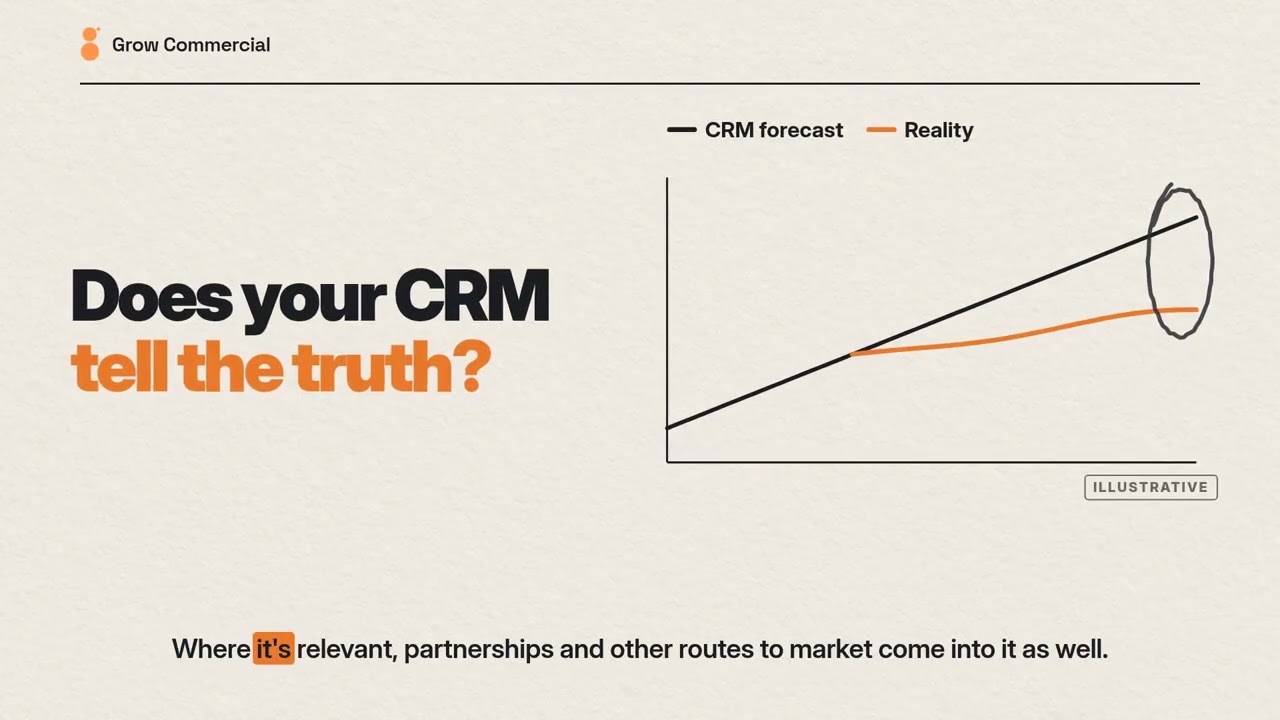
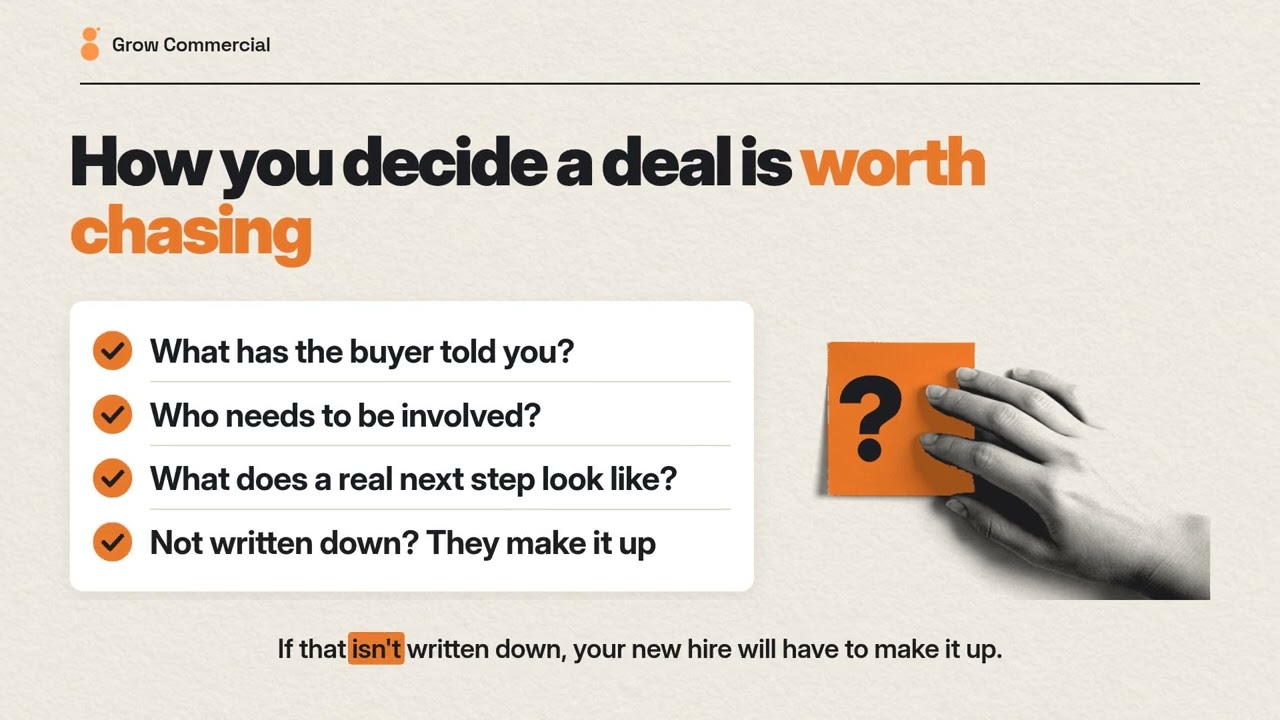
Whether your revenue can repeat. Answering their questions yourself, before they ask, is one of the most useful things a founder can prepare. They look first for a credible route to repeatable revenue: recent wins that came from a pattern, a similar buyer, a similar problem, a similar way in, not one-off favours or deals that only happened because the founder knew someone. Next is the pipeline. Expect them to pick a few deals and ask what the buyer has actually done. If the honest answer is not much yet, the deal will be discounted, so it's better if you've already done that yourself. Then the forecast: put last quarter's forecast next to what actually closed. A forecast that's close, or getting closer, shows the team understands its own numbers. They'll also look at concentration, how much depends on a small number of customers, partners or relationships. Run those checks yourself first, write down the honest answers, and what you're doing about each. Perfect numbers aren't the point. Knowing where you stand, and what needs to change before the next hire or round, is.
- 0:00Can revenue repeat?
- 0:16A pattern in your wins
- 0:38Does the pipeline stand up?
- 0:59Does the forecast hold?
- 1:17How concentrated is it?
- 1:38Check yourself first
- 1:58Know where you stand
Read the full transcript
Before the next round, investors want to know whether your revenue can repeat. Answering their questions yourself, before they ask, is one of the most useful things a founder can prepare.
The first thing they look for is a credible route to repeatable revenue. That means showing your recent wins came from a pattern. A similar buyer, a similar problem, a similar way in. Not one-off favours, or deals that only happened because the founder knew someone.
Next is the pipeline. Expect them to pick a few deals and ask what the buyer has actually done. Agreed a trial? Brought in their finance lead? If the honest answer is not much yet, the deal will be discounted, so it's better if you've already done that yourself.
Then the forecast. A good way to show it holds up is to put last quarter's forecast next to what actually closed. A forecast that's close, or getting closer, shows the team understands its own numbers.
They'll also look at concentration. How much of your revenue, or your pipeline, depends on a small number of customers, partners or relationships? If one relationship accounts for a big share, be ready to explain what happens if it goes quiet.
So run those checks on your own business before anyone else does. Write down the honest answers, including the uncomfortable ones, and what you're doing about each. That turns a tough question in the room into a conversation you're ready for.
Perfect numbers aren't the point. Knowing where you stand, and what needs to change before the next hire or round, is.
Want to talk this through for your business?
Related: Raise & invest
Want to see how this works in your business?
Book a free 30-minute GTM call with the Grow team. We'll talk through where your commercial engine is getting stuck and what to look at first.
More videos